Tenant Improvements & Betterments
The improvements you've paid for, protected.
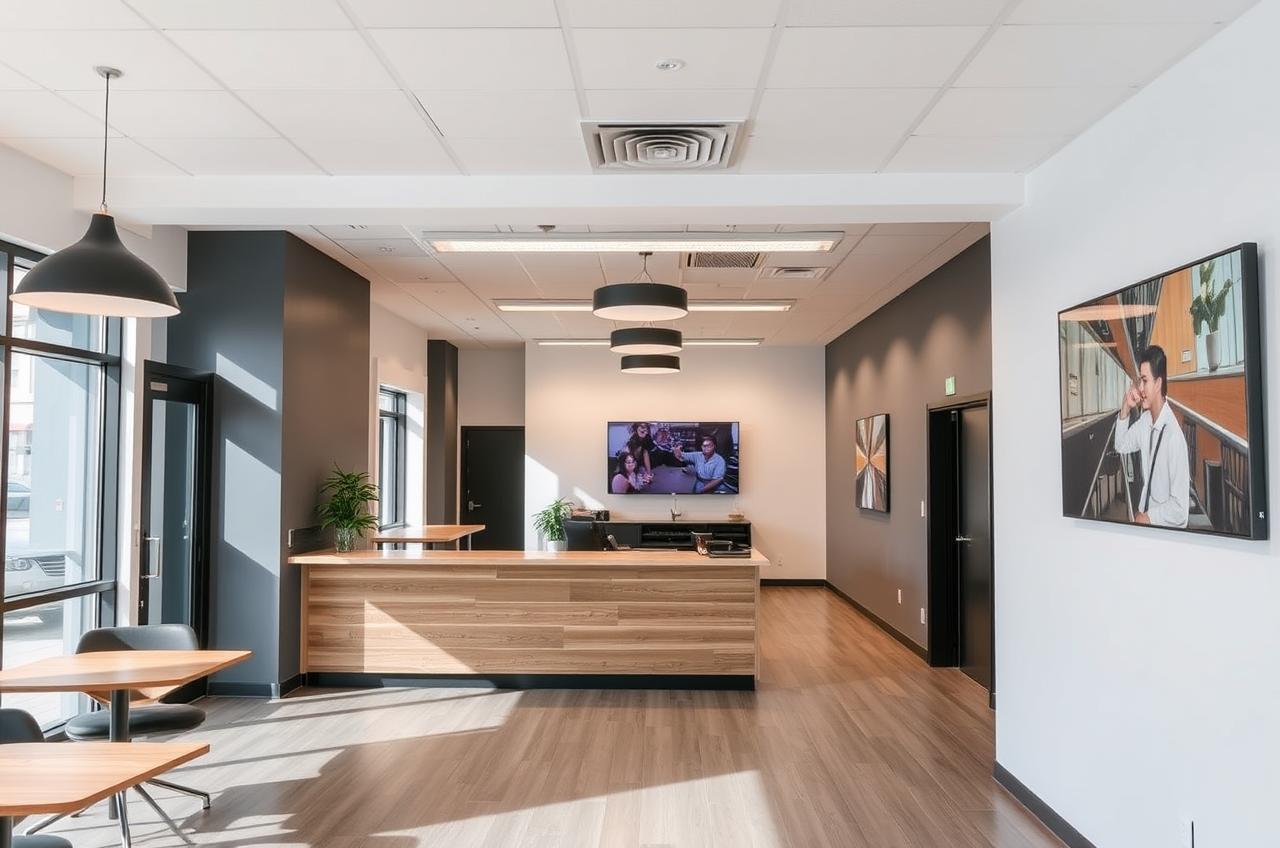
Tenant improvements and betterments (TIB) coverage protects the leasehold improvements you've made to a space you rent — built-out walls, custom fixtures, installed flooring, upgraded electrical, and other permanent improvements that become part of the premises. You paid for them, but they're attached to a building you don't own — and that's exactly the gap TIB coverage fills.
What It Covers
Coverage That Fits Your Property
Tenant improvements and betterments (TIB) coverage protects the leasehold improvements you've made to a space you rent — built-out walls, custom fixtures, installed flooring, upgraded electrical, and other permanent improvements that become part of the premises. You paid for them, but they're attached to a building you don't own — and that's exactly the gap TIB coverage fills.
For tenants who've invested significantly in build-outs — restaurants, retail, medical offices, salons — TIB can be one of the largest and most overlooked categories of business personal property.
Build-outs & alterations
Interior walls, partitions, and structural alterations you've installed.
Permanent fixtures
Built-in cabinetry, custom fixtures, and permanently installed equipment.
Flooring & finishes
Installed flooring, ceiling treatments, and surface finishes you've paid for.
Electrical & mechanical upgrades
Upgraded electrical, plumbing, and mechanical improvements you've made.
exterior signage (owned)
Owned signage and exterior improvements, subject to the policy.
Replacement cost option
Replace improvements new rather than at depreciated value.
Why tenants overlook their biggest investment
A tenant who spends $150,000 building out a restaurant or retail space often assumes the landlord's policy covers it — it doesn't. The landlord insures the building shell; the improvements you paid for are your property to insure, and they're frequently undervalued or omitted entirely. TIB coverage, written at replacement cost, is what protects that build-out investment after a fire or other covered loss.
How tenant improvements coverage is priced
TIB coverage is rated on the value of the improvements (often the build-out cost), the valuation basis, the lease terms, your industry, and the building's protection. Because improvements are attached to a building, the building's construction class and protection heavily influence cost. For most tenants, TIB is an affordable addition to a BPP policy that protects a major sunk investment.
Common Endorsements & Add-Ons
- Replacement cost on improvements. Replace build-outs new at claim time rather than depreciated value.
- Amortization schedule match. Structure coverage to match how improvements are amortized under the lease.
- Lease-mandated limits. Limits structured to satisfy lease insurance requirements.
- Additional insured for landlord. Add the landlord as additional insured where the lease requires.
Tenant Improvements FAQ
Tenant Improvements — Your Questions
No. The landlord insures the building shell; the leasehold improvements you paid for are your property to insure. Tenants who assume otherwise discover the gap only after a loss. Tenant improvements and betterments (TIB) coverage on your BPP policy is what protects your build-out investment.
TIB is typically valued at the cost of the build-out (what you paid to install the improvements). At replacement cost, you're covered to restore the improvements new. We help you set the limit based on your actual build-out investment and structure it to satisfy lease requirements.
Contents are movable property (furniture, equipment, inventory). Tenant improvements are permanent, attached improvements you've made to the rented space (walls, built-ins, flooring, upgraded electrical). Both are covered under a BPP policy but as separate classes — and both are commonly under-insured.
Ready to Cover Your Tenant Improvements?
Get a specialized BPP quote. We shop A-rated carriers and structure the right limits and valuation — usually within one business day.